

How to handle flight cancellations – from FAA staffing slowdowns to sudden travel disruptions – with confidence and flexibility.
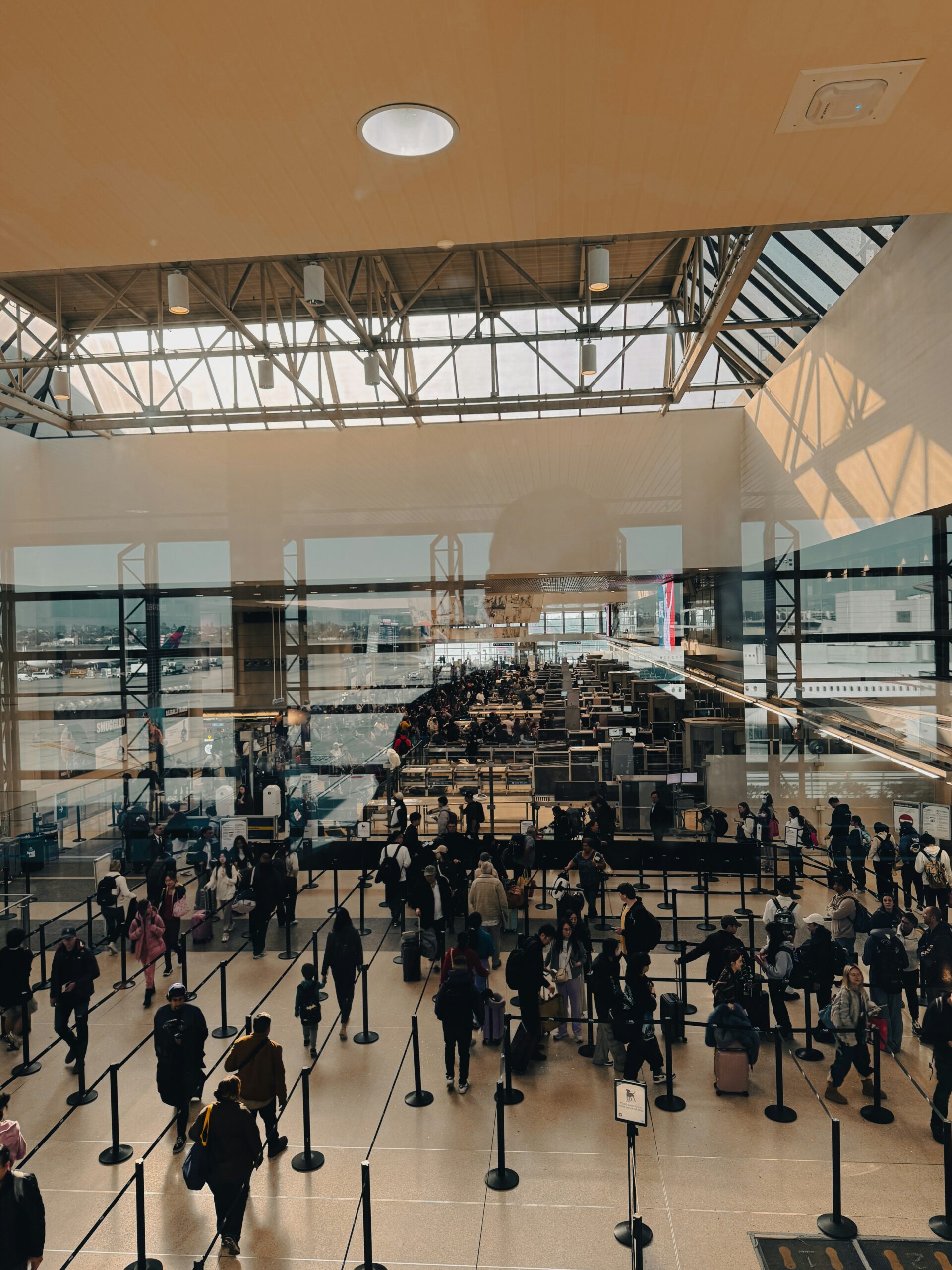
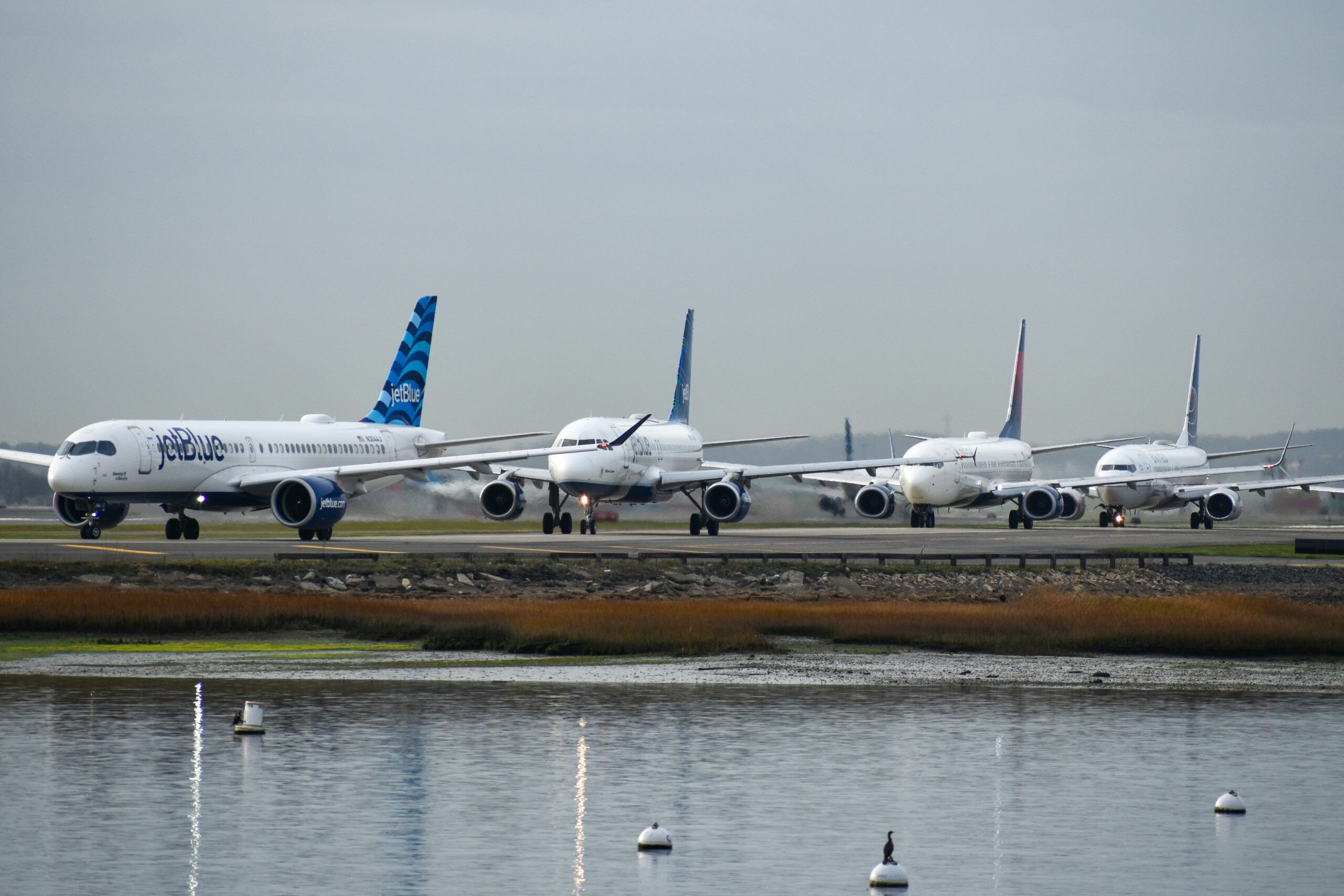
As we head into the busy holiday travel season, the U.S. air-travel system is facing a serious ripple of disruption. The Federal Aviation Administration (FAA) has announced it will reduce air traffic by roughly 4 % heading toward 10 % in 40 major U.S. airports due to staffing shortages among air-traffic controllers triggered by the ongoing government shutdown.
Airports in hubs such as Atlanta, Newark, San Francisco, Chicago and Washington D.C. have already begun implementing delays and cancellations.
So what happens if your flight is cancelled? And how can you keep your travel plans (especially over Thanksgiving or the upcoming holidays) on track?
Here’s a practical “what to do” guide — and a question for you at the end: What will you do to manage your own travel in this turbulent moment?
1. Stay Informed Early
Monitor your airline’s app or website. Leading carriers are already notifying passengers about cancellations or schedule reductions due to the FAA-mandated cuts.
Check real-time flight tracking tools (like FlightAware, FlightStats) for your airport and route. Big hubs are under the most pressure, so if you’re flying from one (e.g., ATL, ORD, SFO), assume greater risk.
Sign up for airline alerts and enable push notifications for changes.
2. Know Your Rights & Options
If your flight is cancelled by the airline (or due to the FAA flow restrictions), you are typically eligible for a full refund or re-booking on another flight (sometimes on another carrier) at no additional cost. For example, the FAA’s guidance for the traffic cut plan explicitly mandates full refunds for cancellations.
Contact your airline proactively:
Ask about alternate flights that can get you to your destination with minimal delay.
If flying over a major holiday (like Thanksgiving), ask if the airline has special reseating or rerouting policies for disrupted travellers.
Consider travel insurance — if you don’t already have coverage, review your policy for interruption/cancellation clauses.
3. Adjust Your Travel Strategy
If you can shift travel dates, consider departing earlier or later than your original plan. With reduced capacity and high demand, flights are filling fast.
Choose airports that may have less volume and thus less disruption — if feasible, fly into (or out of) a secondary airport rather than the busiest hub.
Plan for buffer time: When you arrive at your destination for the holiday, allow extra hours (or a full extra day) before any critical event (e.g., Thanksgiving dinner, family gathering).
Pack a “go-kit”: carry-on essentials (phone charger, medications, a change of clothes), just in case you’re delayed overnight or re-booked at the last minute.
4. Ask Yourself: What’s Most Important in This Trip?
Are you traveling for a fixed event (dinner, rehearsal, family evening)? If yes, plan your flight so you arrive as early as possible and have fallback options.
Could you pivot to a different plan if your original flight is cancelled (e.g., travel the day before, use train or car from another city)?
Should you re-confirm with all parties involved at your destination (family, hotel, car rental) that your arrival date may change? Keeping them in the loop gives you more flexibility and reduces stress.
5. Maintain a Calm, Travel-Savvy Mindset
Delays and cancellations are never fun — but how you respond often matters more than the issue itself. Keep travel stress minimal by staying proactive.
Use the disruption as an opportunity: maybe you enjoy an extra airport lounge visit, explore a city you didn’t plan to, or simply take a slower pace once you arrive.
Remember: the system strain is out of your hands. The FAA’s decision to reduce flights is a safety-driven measure under difficult conditions.
✅ Final Takeaway
Yes — the holiday travel season just got more complicated. But with smart planning, flexible thinking, and a backup mindset, you can navigate through disruptions and still arrive with less stress and more ease.
Question for you:
What are you doing to manage your own upcoming travel in light of the current disruptions? Have you re-booked early? Picked a less busy airport? Traveling a day earlier so you’re not cut too close?
Let me know in the comments, or drop me a note — I’d love to hear your strategy.